@arstechnica I do think this person was targeted for being an activist, but, and I hate to be << that person >>, but he made his detainment worse by providing the duress code.
The Guardian article referenced by Ars Technica provides a link to 18 U.S.C. § 2232, which is a federal statute that criminalizes destruction or removal of property to prevent seizure.
Seizure, as in any act or attempt of destruction or damage during a search:
https://codes.findlaw.com/us/title-18-crimes-and-criminal-procedure/18-usc-sect-2232/
They didn't need a warrant, he was already put on a terrorist watchlist for his alleged association with the movement against Cop City.
He could have just not handed any code at all, it might have been better.
It's embarrassing to read (mainly on reddit) replies claiming that 'he didn't do anything, the officer deleted the data' that's not how it works, it's embarrassing that this would even be a suggestion.
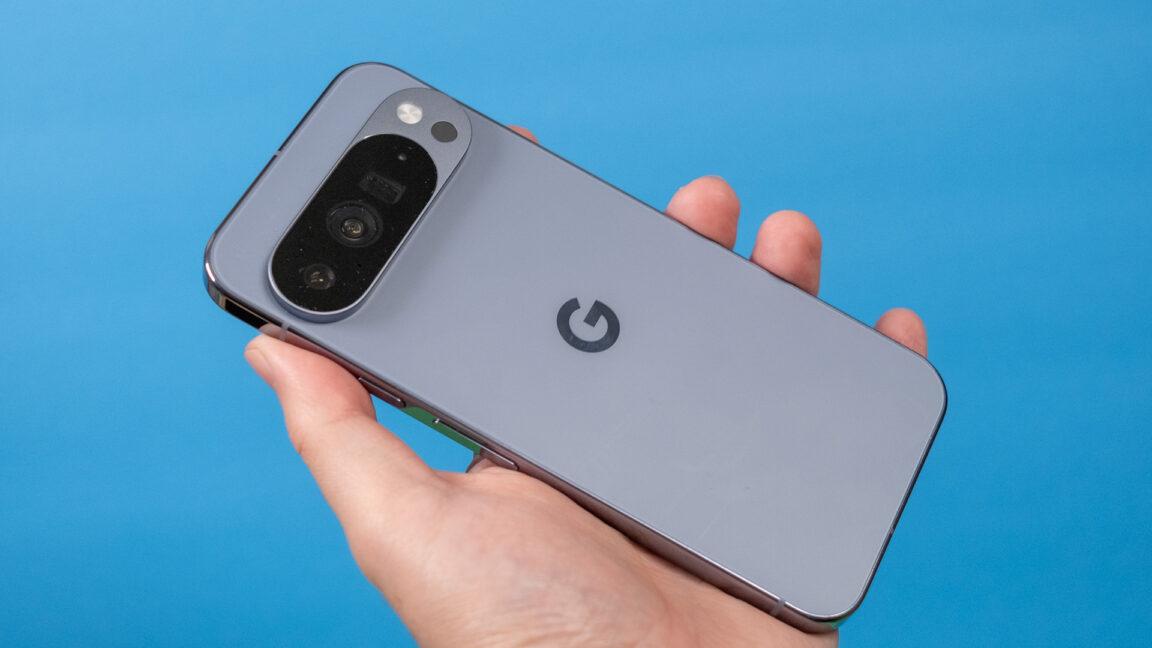
The activist knowingly provided the duress PIN, which would trigger GrapheneOS to format the device during the inspection.
He was already asked several times by Agent Finley and several others to unlock his phone, or it will be seized.
Even according to the Supreme Court, "searches at the border are "qualitatively different"", which means the Fourth Amendment is less likely to be applied because there's a vague definition of suspicion for it to apply (https://www.congress.gov/crs-product/R46601).
And then, any functional point of entry into the US apply this border search exception, which explicitly includes international airports.
Even if the activist can prove that he was incorrectly put on this terrorist list, the search was still lawful and valid, and if the prosecutors can conclude the intent was malicious, then 18 U.S.C. § 2232 would apply.
He should have just let the agents confiscate the phone without providing the PIN, and he may have been let go.
(I'm not a lawyer, this is not legal advice. Just my ramblings based on my limited understanding of laws)