
misterdubs
boosted

1
Discussion
John | @john #US #Navy #Submarine #veteran ⚓ and 20+ year #Technology professional. I’ve launched CoreSignal as a digital “hard reset” to prioritize intentionality over algorithms—seeking connectivity in pursuit of connection.
I am still early in my #Stoic journey, practicing prosoche through the #Enchiridion and learning to “grab the smooth handle”.
When I’m away from the terminal, I’m exploring my #JohnnyDecimal categories (301/302), growing #wildflowers, and practicing #photography —a hobby I’ve tinkered with since my high school medium-format days, though I remain a dedicated student of the lens. 🌸📸
The Music Doesn't Sound the Same Anymore
@waltz6970@theunderstory.podmoodle.nohost.me Another fine essay!
The Music Doesn't Sound the Same Anymore
reposting because I accidentally deleted the original... I am not getting along with technology today.
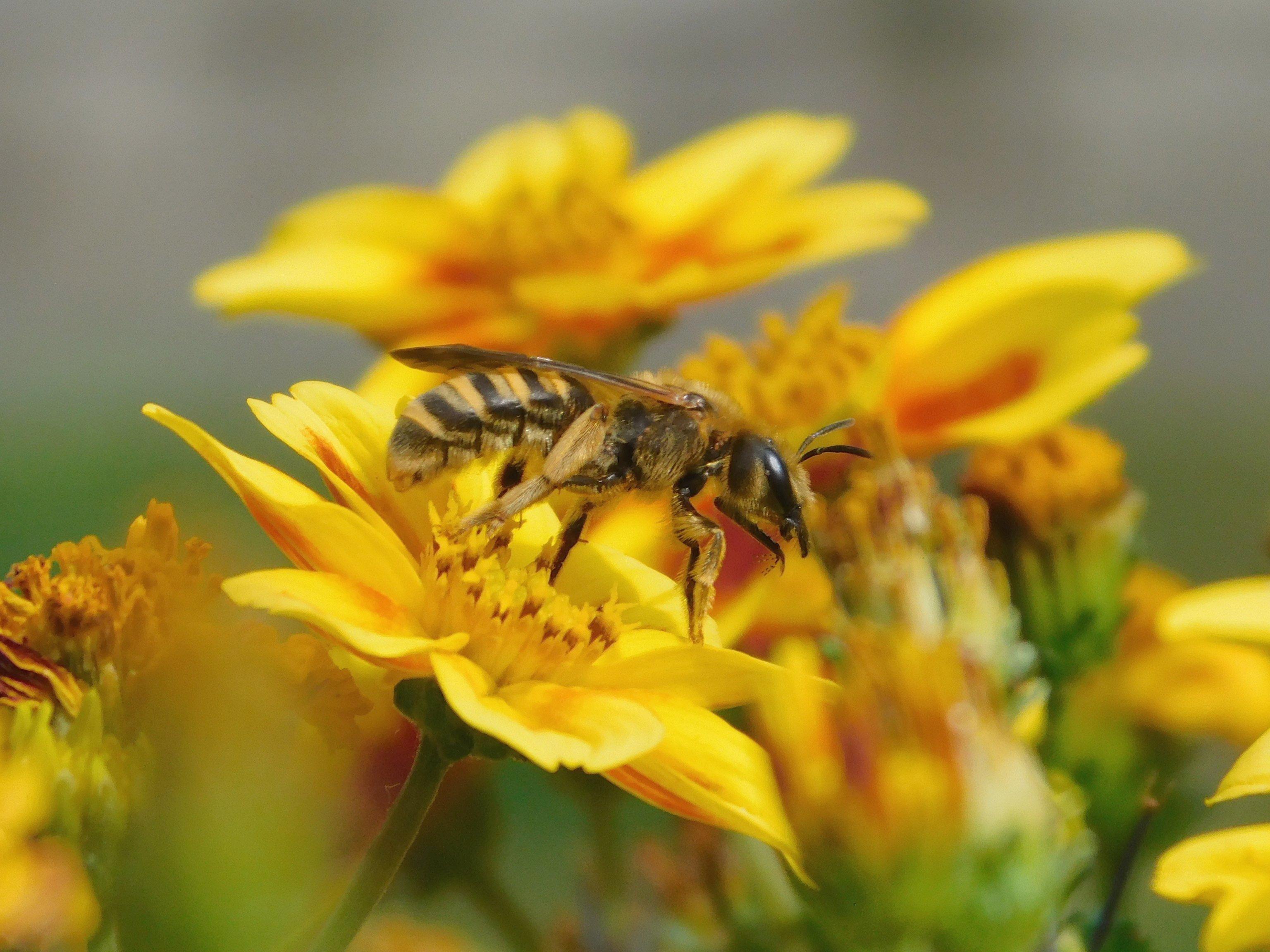
I accidentally caught this fascinating photo of a carder bee's mouthparts.
Not quite sure what you're seeing? Check out this page, near the bottom, for an explanation of all the complicated bits that make up a bee's mouth. https://www.museumoftheearth.org/bees/biology
Microsoft: Use the web versions of our Office apps! They're great!
Me: So how do I create a new document based on my employer's .dotx template?
Microsoft: Oh, that's easy, you download it from SharePoint to your computer, use the desktop version of Word to create a new document from the template, upload that new document to OneDrive, then you can edit it in Word for the Web.
Me: So use LibreOffice. Got it.
It's hot y'all!
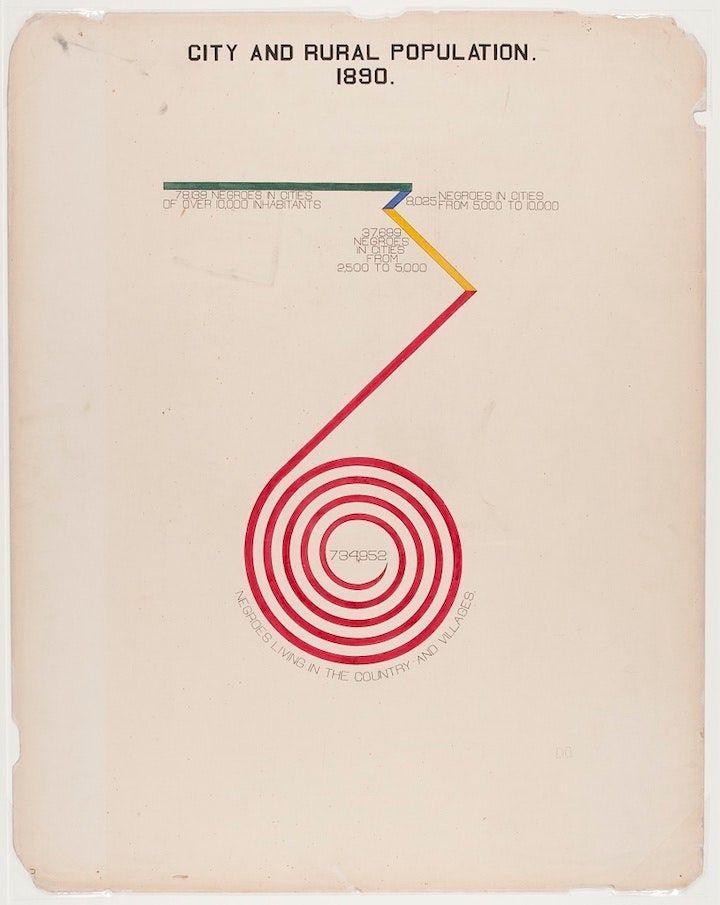
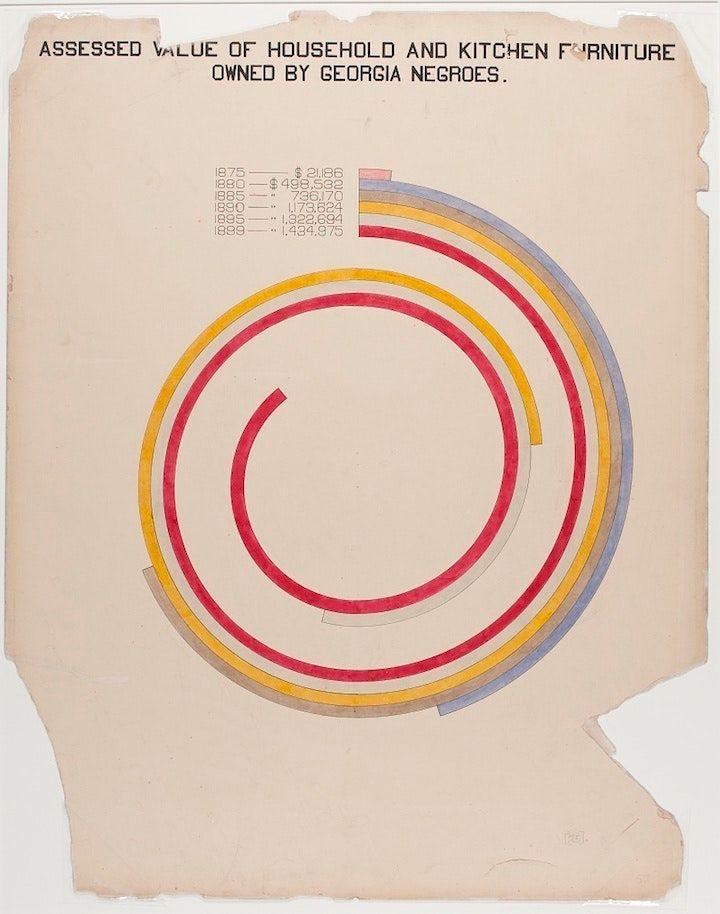
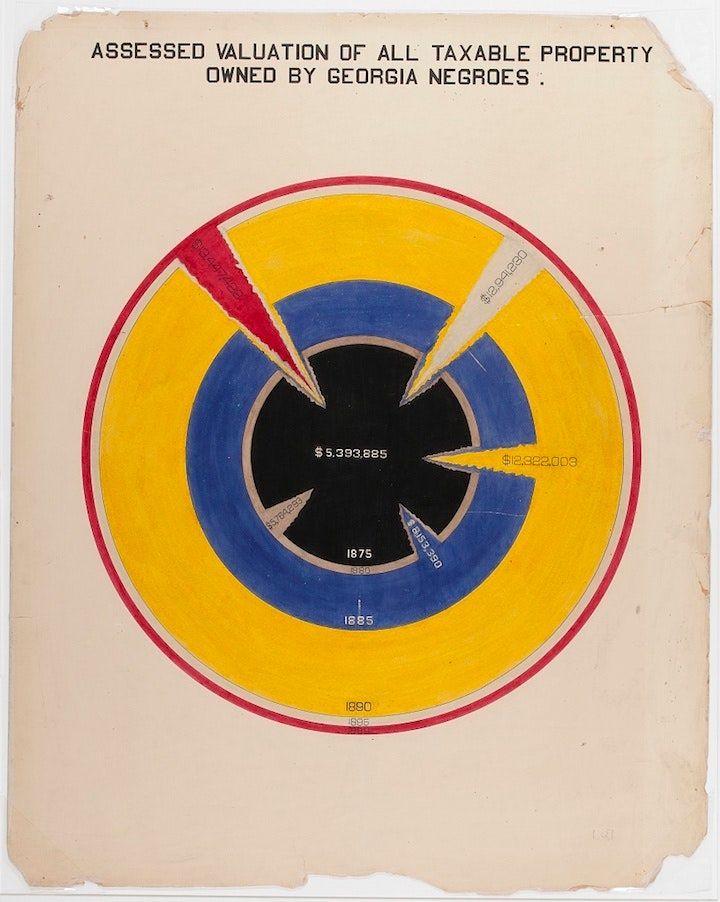
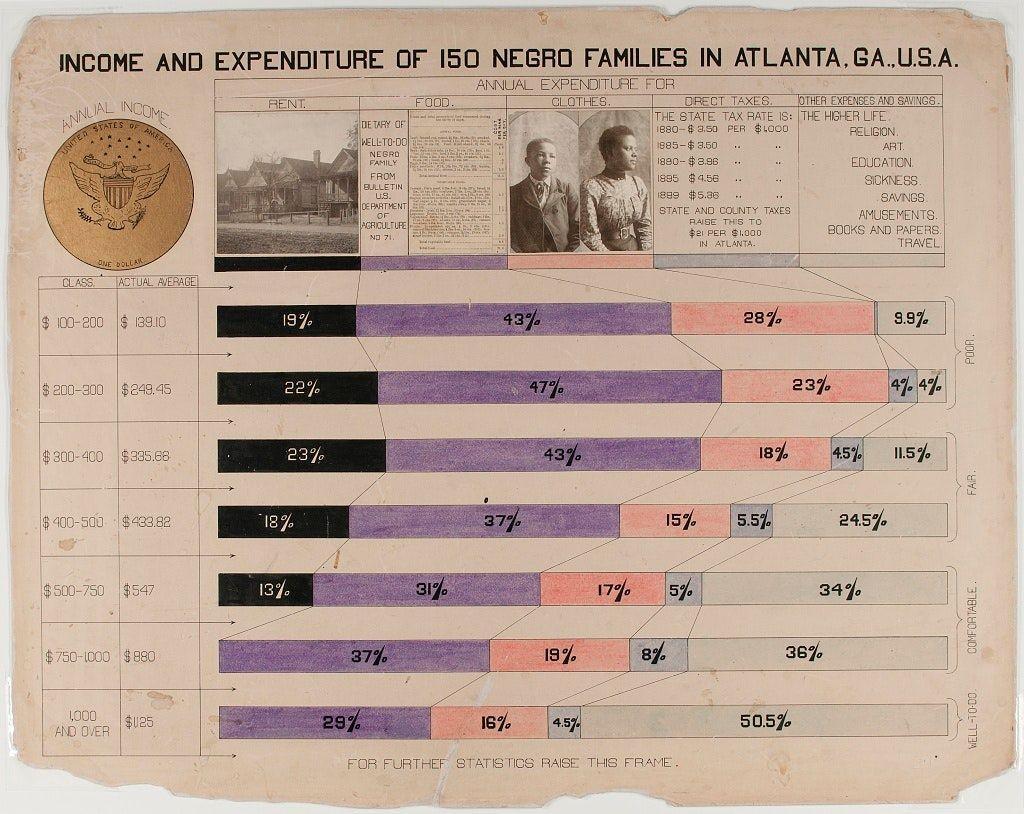
A few of the many exquisite hand-drawn "infographics" produced by students of scholar + civil-rights activist W.E.B. Du Bois, who died #onthisday 1963. More from the series, presented in “The Exhibit of American Negroes” at the 1900 Paris Expo, here: https://publicdomainreview.org/collection/w-e-b-du-bois-hand-drawn-infographics-of-african-american-life-1900?utm_content=buffer1918e&utm_medium=social&utm_source=facebook.com&utm_campaign=buffer #OTD
EDIT: my apologies folks, it was pointed out that this is probably AI slop, not just a copy pasta. That shouldn't take away the achievements of Mary, and I encourage you to look at the original sources to learn more about her and her achievements
Happy Brownie Mary Day
It was a Tuesday in 1981 when the San Francisco police kicked in the door.
Inside the small apartment, they expected to find a hardened criminal. They expected a drug kingpin. They expected resistance.
Instead, they found a 57-year-old waitress in an apron.
The air in the apartment smelled sweet, thick with chocolate and something earthier. On the kitchen counter, cooling on wire racks, were 54 dozen brownies.
The police officers began bagging the evidence. They confiscated nearly 18 pounds of marijuana. They handcuffed the woman, whose name was Mary Jane Rathbun.
She didn't look scared. She didn't look guilty.
She looked at the officers, smoothed her apron, and reportedly said, "I thought you guys were coming."
She was booked into the county jail. The headlines wrote themselves. A grandmother running a pot bakery. It seemed like a joke to the legal system, a quirky local news story about an older woman behaving badly.
But Mary wasn't baking for fun. And she certainly wasn't baking for profit.
To understand why Mary risked her freedom, you have to understand the silence of the early 1980s.
San Francisco was gripping the edge of a cliff. A mysterious illness was sweeping through the city, specifically targeting young men. Later, the world would know it as AIDS. But in those early days, it was just a death sentence that no one wanted to talk about.
Families were disowning their sons. Landlords were evicting tenants. Even doctors and nurses, paralyzed by the fear of the unknown, would sometimes leave food trays outside hospital doors, afraid to breathe the same air as their patients.
Men in their twenties were wasting away in sterile rooms, dying alone.
Mary knew what it felt like to lose a child.
Years earlier, in 1974, her daughter Peggy had been killed in a car accident. Peggy was only 22. The loss had hollowed Mary out, leaving a space in her heart that nothing seemed to fill.
When the judge sentenced Mary for that first arrest, he ordered her to perform 500 hours of community service. He likely thought the manual labor would teach her a lesson.
He sent her to the Shanti Project and San Francisco General Hospital.
It was a mistake that would change American history.
Mary walked into the AIDS wards when others were walking out. She didn't wear a hazmat suit. She didn't hold her breath. She saw rows of young men who looked like ghosts—skeletal, in pain, and terrified.
She saw "her kids."
She began mopping floors and changing sheets. But soon, she noticed something the doctors were missing. The harsh medications the men were taking caused violent nausea. They couldn't eat. They were starving to death as much as they were dying of the virus.
Mary knew a secret about the brownies she had been arrested for.
She knew they settled the stomach. She knew they brought back the appetite. She knew they could help a dying man sleep for a few hours without pain.
So, she made a choice.
She went back to her kitchen. She fired up the oven. She started mixing batter, not to sell, but to save.
Every morning, Mary would bake. She lived on a fixed income, surviving on Social Security checks that barely covered her rent. Yet, she spent nearly every dime on flour, sugar, and butter.
The most expensive ingredient—the cannabis—was donated. Local growers heard what she was doing. They began dropping off pounds of product at her door, free of charge.
She packed the brownies into a basket and took the bus to the hospital.
She walked room to room. She sat by the bedsides of men who hadn't seen their own mothers in years. She held their hands. She told them jokes. And she gave them brownies.
"Here, baby," she would say. "Eat this. It'll help."
And it did.
Nurses watched in amazement as patients who hadn't eaten in days began to ask for food. The constant retching stopped. The mood on the ward shifted from despair to a quiet sort of comfort.
Mary Jane Rathbun became "Brownie Mary."
For over a decade, this was her life. She baked roughly 600 brownies a day. She went through 50 pounds of flour a week. She became the mother to a generation of lost boys.
She washed their pajamas. She attended their funerals. She held them while they took their last breaths.
She did this while the government declared a "War on Drugs."
By the early 1990s, the political climate was hostile. Politicians were competing to see who could be "tougher" on crime. Mandatory minimum sentences were locking people away for decades.
In 1992, at the age of 70, Mary was arrested again.
This time, the stakes were lethal. She was charged with felonies. The district attorney looked at her rap sheet and saw a repeat offender. He threatened to send her to prison.
One prosecutor famously whispered to a colleague that he was going to "kick this old lady's ass."
They underestimated who they were dealing with.
They thought they were prosecuting a drug dealer. In reality, they were attacking the most beloved woman in San Francisco.
When the news broke that Brownie Mary was facing prison, the city erupted.
It wasn't just the activists who were angry. It was the doctors. It was the nurses. It was the parents who had watched Mary care for their dying sons when the government did nothing.
Mary turned her trial into a pulpit.
She arrived at court not as a defendant, but as a grandmother standing her ground. The media swarmed her. Reporters asked if she was afraid of prison. They asked if she would stop baking if they let her go.
Mary looked into the cameras, her voice gravelly and firm.
"If the narcs think I'm gonna stop baking brownies for my kids with AIDS," she said, "they can go fuck themselves in Macy's window."
The quote ran in newspapers across the country.
The court didn't stand a chance.
Testimony poured in. Doctors from San Francisco General Hospital wrote letters explaining that Mary’s brownies were medically necessary. Patients testified that she was an angel of mercy.
The charges were dropped.
Mary walked out of the courthouse a free woman. But she didn't go home to rest. She realized that her personal victory wasn't enough. As long as the law was broken, her "kids" were still in danger.
She needed to change the law.
August 25 was declared "Brownie Mary Day" by the San Francisco Board of Supervisors. It was a nice gesture, but Mary wanted policy, not plaques.
She teamed up with fellow activist Dennis Peron. Together, they opened the San Francisco Cannabis Buyers Club—the first public dispensary in the United States. It was a safe haven where patients could get their medicine without fear of arrest.
But Mary wanted more. She wanted the state of California to acknowledge the truth.
She campaigned for Proposition 215. She traveled the state, despite her failing health. She spoke in her simple, direct way. She didn't talk about liberties or economics. She talked about compassion. She talked about pain.
She forced voters to look at the issue through the eyes of a grandmother.
In 1996, Proposition 215 passed. California became the first state to legalize medical marijuana.
It was a domino effect. Because one woman refused to let her "kids" suffer, the public perception of cannabis shifted. The Economist later noted that Mary was single-handedly responsible for changing the national conversation.
She never got rich.
She had always joked that if legalization ever happened, she would sell her recipe to Betty Crocker and buy a Victorian house for her patients to live in.
She never sold the recipe. She never bought the house.
Mary Jane Rathbun died in 1999, at the age of 77. She passed away in a nursing home, poor in money but rich in legacy.
Today, over 30 states have legalized medical marijuana. Millions of people use it to manage pain, seizures, and nausea.
Most of them have never heard of Mary.
They don't know that their legal prescription exists because a waitress in San Francisco decided that the law was wrong and her heart was right.
They don't know about the 600 brownies a day.
They don't know about the thousands of hospital visits.
Mary didn't set out to be a hero.
@webhat@infosec.exchange that's an incredibly inspiring story. thank you for sharing
EDIT: my apologies folks, it was pointed out that this is probably AI slop, not just a copy pasta. That shouldn't take away the achievements of Mary, and I encourage you to look at the original sources to learn more about her and her achievements
Happy Brownie Mary Day
It was a Tuesday in 1981 when the San Francisco police kicked in the door.
Inside the small apartment, they expected to find a hardened criminal. They expected a drug kingpin. They expected resistance.
Instead, they found a 57-year-old waitress in an apron.
The air in the apartment smelled sweet, thick with chocolate and something earthier. On the kitchen counter, cooling on wire racks, were 54 dozen brownies.
The police officers began bagging the evidence. They confiscated nearly 18 pounds of marijuana. They handcuffed the woman, whose name was Mary Jane Rathbun.
She didn't look scared. She didn't look guilty.
She looked at the officers, smoothed her apron, and reportedly said, "I thought you guys were coming."
She was booked into the county jail. The headlines wrote themselves. A grandmother running a pot bakery. It seemed like a joke to the legal system, a quirky local news story about an older woman behaving badly.
But Mary wasn't baking for fun. And she certainly wasn't baking for profit.
To understand why Mary risked her freedom, you have to understand the silence of the early 1980s.
San Francisco was gripping the edge of a cliff. A mysterious illness was sweeping through the city, specifically targeting young men. Later, the world would know it as AIDS. But in those early days, it was just a death sentence that no one wanted to talk about.
Families were disowning their sons. Landlords were evicting tenants. Even doctors and nurses, paralyzed by the fear of the unknown, would sometimes leave food trays outside hospital doors, afraid to breathe the same air as their patients.
Men in their twenties were wasting away in sterile rooms, dying alone.
Mary knew what it felt like to lose a child.
Years earlier, in 1974, her daughter Peggy had been killed in a car accident. Peggy was only 22. The loss had hollowed Mary out, leaving a space in her heart that nothing seemed to fill.
When the judge sentenced Mary for that first arrest, he ordered her to perform 500 hours of community service. He likely thought the manual labor would teach her a lesson.
He sent her to the Shanti Project and San Francisco General Hospital.
It was a mistake that would change American history.
Mary walked into the AIDS wards when others were walking out. She didn't wear a hazmat suit. She didn't hold her breath. She saw rows of young men who looked like ghosts—skeletal, in pain, and terrified.
She saw "her kids."
She began mopping floors and changing sheets. But soon, she noticed something the doctors were missing. The harsh medications the men were taking caused violent nausea. They couldn't eat. They were starving to death as much as they were dying of the virus.
Mary knew a secret about the brownies she had been arrested for.
She knew they settled the stomach. She knew they brought back the appetite. She knew they could help a dying man sleep for a few hours without pain.
So, she made a choice.
She went back to her kitchen. She fired up the oven. She started mixing batter, not to sell, but to save.
Every morning, Mary would bake. She lived on a fixed income, surviving on Social Security checks that barely covered her rent. Yet, she spent nearly every dime on flour, sugar, and butter.
The most expensive ingredient—the cannabis—was donated. Local growers heard what she was doing. They began dropping off pounds of product at her door, free of charge.
She packed the brownies into a basket and took the bus to the hospital.
She walked room to room. She sat by the bedsides of men who hadn't seen their own mothers in years. She held their hands. She told them jokes. And she gave them brownies.
"Here, baby," she would say. "Eat this. It'll help."
And it did.
Nurses watched in amazement as patients who hadn't eaten in days began to ask for food. The constant retching stopped. The mood on the ward shifted from despair to a quiet sort of comfort.
Mary Jane Rathbun became "Brownie Mary."
For over a decade, this was her life. She baked roughly 600 brownies a day. She went through 50 pounds of flour a week. She became the mother to a generation of lost boys.
She washed their pajamas. She attended their funerals. She held them while they took their last breaths.
She did this while the government declared a "War on Drugs."
By the early 1990s, the political climate was hostile. Politicians were competing to see who could be "tougher" on crime. Mandatory minimum sentences were locking people away for decades.
In 1992, at the age of 70, Mary was arrested again.
This time, the stakes were lethal. She was charged with felonies. The district attorney looked at her rap sheet and saw a repeat offender. He threatened to send her to prison.
One prosecutor famously whispered to a colleague that he was going to "kick this old lady's ass."
They underestimated who they were dealing with.
They thought they were prosecuting a drug dealer. In reality, they were attacking the most beloved woman in San Francisco.
When the news broke that Brownie Mary was facing prison, the city erupted.
It wasn't just the activists who were angry. It was the doctors. It was the nurses. It was the parents who had watched Mary care for their dying sons when the government did nothing.
Mary turned her trial into a pulpit.
She arrived at court not as a defendant, but as a grandmother standing her ground. The media swarmed her. Reporters asked if she was afraid of prison. They asked if she would stop baking if they let her go.
Mary looked into the cameras, her voice gravelly and firm.
"If the narcs think I'm gonna stop baking brownies for my kids with AIDS," she said, "they can go fuck themselves in Macy's window."
The quote ran in newspapers across the country.
The court didn't stand a chance.
Testimony poured in. Doctors from San Francisco General Hospital wrote letters explaining that Mary’s brownies were medically necessary. Patients testified that she was an angel of mercy.
The charges were dropped.
Mary walked out of the courthouse a free woman. But she didn't go home to rest. She realized that her personal victory wasn't enough. As long as the law was broken, her "kids" were still in danger.
She needed to change the law.
August 25 was declared "Brownie Mary Day" by the San Francisco Board of Supervisors. It was a nice gesture, but Mary wanted policy, not plaques.
She teamed up with fellow activist Dennis Peron. Together, they opened the San Francisco Cannabis Buyers Club—the first public dispensary in the United States. It was a safe haven where patients could get their medicine without fear of arrest.
But Mary wanted more. She wanted the state of California to acknowledge the truth.
She campaigned for Proposition 215. She traveled the state, despite her failing health. She spoke in her simple, direct way. She didn't talk about liberties or economics. She talked about compassion. She talked about pain.
She forced voters to look at the issue through the eyes of a grandmother.
In 1996, Proposition 215 passed. California became the first state to legalize medical marijuana.
It was a domino effect. Because one woman refused to let her "kids" suffer, the public perception of cannabis shifted. The Economist later noted that Mary was single-handedly responsible for changing the national conversation.
She never got rich.
She had always joked that if legalization ever happened, she would sell her recipe to Betty Crocker and buy a Victorian house for her patients to live in.
She never sold the recipe. She never bought the house.
Mary Jane Rathbun died in 1999, at the age of 77. She passed away in a nursing home, poor in money but rich in legacy.
Today, over 30 states have legalized medical marijuana. Millions of people use it to manage pain, seizures, and nausea.
Most of them have never heard of Mary.
They don't know that their legal prescription exists because a waitress in San Francisco decided that the law was wrong and her heart was right.
They don't know about the 600 brownies a day.
They don't know about the thousands of hospital visits.
Mary didn't set out to be a hero.
Respect. Rest in power.
IF WE CAN SURVIVE MARS,
WE CAN THRIVE ON EARTH 💎
I've just watched a fascinating video about something that doesn't get nearly as much attention as getting humans to Mars.
https://youtu.be/ahrj83jWl-I?si=xCpgTx42MVXZFs_l
GETTING SAFELY HOME AGAIN.
Mars isn't the Moon. A return journey means launching a substantial spacecraft from the Martian surface, which means an enormous amount of fuel. Carrying all that fuel from Earth adds enormous mass. Making fuel on Mars means sending machinery capable of producing rocket fuel, along with a large, extraordinarily reliable power supply, and having the whole system operate autonomously before the astronauts even arrive.
Then there is what a multi-year Mars mission might do to the human body. Months in weightlessness. Long exposure to radiation. More than a year potentially living in 38% of Earth's gravity. Then another long journey home to Earth.
And you can't simply leave Mars whenever you've had enough. The useful alignment between Earth and Mars comes around only about every 26 months.
This is difficult stuff.
But towards the end, the video makes the familiar argument for doing it anyway.
HUMANITY NEEDS A BACKUP PLANET.
An asteroid crashing into Earth. A nuclear war. A supervolcano darkening the skies. Another pandemic. Some unforeseen catastrophe that makes Earth uninhabitable.
SO WE ESTABLISH A SELF-SUSTAINING CIVILISATION ON MARS.
And that's where something occurred to me.
HAVE WE GOT THIS BACKWARDS?
Mars is already catastrophically hostile to human life.
It is freezing. Its atmosphere is almost entirely carbon dioxide and less than 1% of Earth's atmospheric pressure. There is dangerous radiation at the surface. No breathable air. No forests or plants of any kind. No oceans, lakes or rivers. No farms.
And no functioning biosphere is waiting for us.
To establish a genuinely independent civilisation there, we would have to become extraordinarily good at creating and maintaining habitable, fully enclosed environments.
We'd need to recycle our water and air and grow all of our food. We'd need to generate enormous amounts of reliable energy, protect ourselves from radiation, manufacture what we need and keep a closed human ecosystem functioning for generations.
So here's the question I can't get past.
IF WE BECOME GOOD ENOUGH AT KEEPING HUMAN BEINGS ALIVE ON MARS, HOW BADLY WOULD WE HAVE TO DAMAGE EARTH BEFORE MARS BECAME THE EASIER PLACE TO LIVE?
Even a badly damaged Earth still starts with something Mars doesn't have.
A BIOSPHERE.
Perhaps Mars really will become humanity's second home one day. I hope we go. Exploration is one of the things human beings do magnificently.
But I'm not convinced Mars is our lifeboat.
Perhaps the technologies required to survive there will teach us something considerably more urgent.
How to look after the astonishing planet we're already standing on.
@3goodthings @DigitalCoup @meditation @economics_that_works @startrek
#Mars #SpaceExploration #Science #Climate #Environment #SpaceX #NASA
YouTube
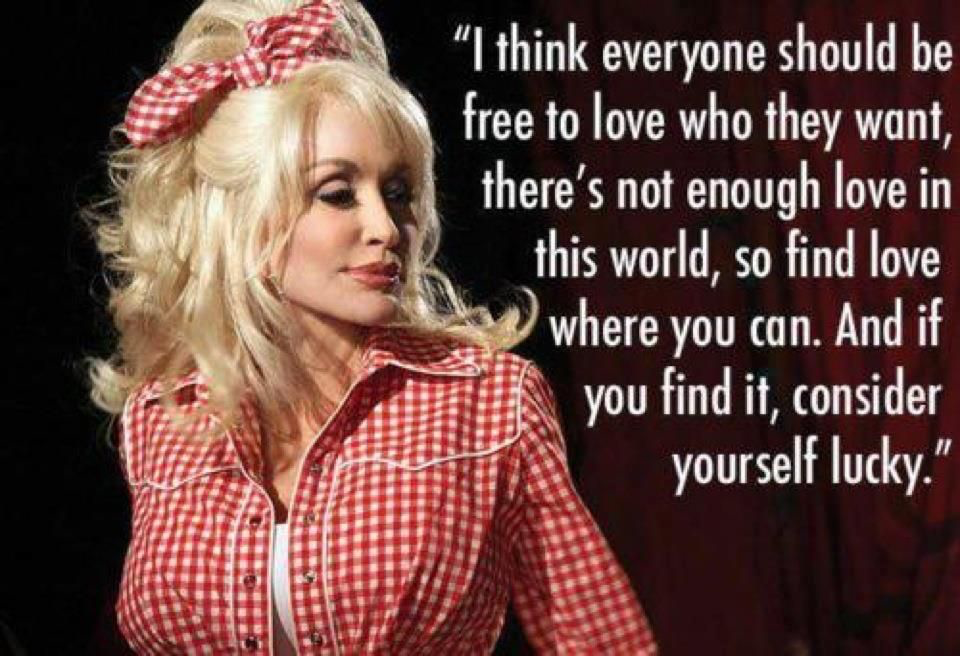
Be like Dolly.
- be kind
- speak up
- make art
- flaunt em if ya got em
Humpback whales are interrupting Orca hunts
Humpback whales are interrupting orca hunts to rescue completely different species, swimming underneath a doomed seal and lifting it out of the water on their chest, or forming a wall between the killers and a grey whale calf, and scientists still can't fully explain why they bother to save animals they have nothing to gain from.
Flock is a perversion of the way police are supposed to investigate crimes.
Let me explain. Under our current constitutional judicial system, police are supposed to investigate crimes, in search of the person who allegedly committed them. The crime happens first. And then the police swing into action. And during that time, our system of laws has checks and balances in place to prevent any one of us from being unjustly accused of having committed that crime.
Flock cameras reverse that process. They are by definition, tools that investigate people, in search of a crime they might commit. The investigation comes first, with no crime attached to it. And only later, do police decide whether or not the activity they investigated you for amounts to a crime.
This is fundamentally unconstitutional. There is no fix or remedy that cures this. Its basic function is, de facto, a violation of our rights and liberties.
Abdul El-Sayed response to #JDVance:
"My name & my background aren’t raising your gas prices. That’s what the #Trump admin is doing. My name & my background aren’t picking trade wars to increase your costs. That’s what the Trump admin is doing. My name & my background aren’t the reason you can’t see a doctor. That’s because of the #Medicaid cuts and the #ACA cuts... the Trump admin is doing.
...leave my name & my background out of it"
https://www.meidasplus.com/p/this-weekend-in-politics-bulletin-518
@3goodthings@fedigroups.social
Three good things this day
AGED FIVE, I GOT
FAR ENOUGH AWAY TO SEE 💎
When I was about five years old, I spent two years in a children’s sanatorium.
At the time, I had no idea what that would mean for the rest of my life. Looking back now, I think it was one of the great turning points of my childhood.
And strangely enough, I am grateful for it.
For two years, I was removed from my family and placed somewhere else entirely. Other adults. Other children. Other routines. Other ways of being. It gave me something I could not possibly have named at five.
DISTANCE.
When I eventually returned home, I had already discovered something enormously important. My family was not the whole world. I could stand outside it and see it.
And what I saw, increasingly, was that there was very little about my family that felt real or loving. In fact, I think I experienced more genuine warmth with some of the nurses and children at the sanatorium than I ever did at home. There was family in the biological sense. But I don’t think there was much family in the deeper sense at all.
Years later, at about fifteen, I told my parents I was homosexual.
That was the end of home.
I didn’t leave after a teenage argument and come back a few weeks later. There was nowhere to come back to. I had left because I had to. And when I left, it was over.
I sometimes watch films about people who grow up in brutal, loveless families and later become terribly damaged adults. Psychopaths. Serial killers. People whose childhoods seem almost designed to produce catastrophe. And occasionally I recognise something.
NOT WHAT THEY BECAME.
The beginning. The absence. The emotional coldness. And the fear. The strange knowledge, very young, that whatever happened next, you were largely on your own.
There was my sister.
For a long time, I think I allowed myself to believe that because she was still there, some part of the family remained. But even that relationship eventually forced me to look again. Sometimes the hardest thing is not losing a family. It is realising that what you thought you had may never really have been there. And yet something else was there.
Some capacity to stand outside it. To see it without having to pretend it was something else. Perhaps that began in the sanatorium. At five years old, without knowing it, I got far enough away to see. I learned that the family I had been born into was not the measure of reality.
And for that, strangely enough, I am truly grateful.
@3goodthings @DigitalCoup @meditation @economics_that_works @startrek
#Childhood #Family #LGBTQ #Survival #Perspective #LifeStory #love #security #grateful #warmth #pride
American fact-checking organizations are joining forces ahead of the 2026 midterm elections
in a major collaboration:
a joint newsletter that shares findings with media professionals, content creators and election observers.
The newsletter will highlight common findings and identify election-year information trends across the United States.
Election-year collaborations among fact-checkers have long been common internationally, including in France, Brazil and Nigeria.
They’ve been rare in the competitive U.S. media environment, making this the first joint campaign of its kind among U.S. fact-checkers.
The growing spread of false information, driven by political polarization and AI-generated content, prompted U.S.-based fact-checkers to combine efforts.
People who would like to receive the newsletter may subscribe by signing up through an online form.
“There’s a rising tide of both AI slop, fakery and public mistrust as we head toward 2026 Election Day,”
said Angie Drobnic Holan, director of the International Fact-Checking Network.
“I’m excited to see U.S. fact-checkers combine efforts as a bulwark against inaccurate and false information across the political spectrum.
The newsletter will help other news organizations and content creators better sort out fact from fiction as they cover the 2026 elections.”
The collaboration includes the following organizations:
♦️FactCheck.org bills itself as a “consumer advocate” for voters;
it aims to reduce the level of deception and confusion in U.S. politics. Established in 2003,
it pioneered political fact-checking on the internet.
It focuses on politics and public policy with specialties in campaign messaging and science.
It is a project of the Annenberg Public Policy Center of the University of Pennsylvania.
♦️Lead Stories focuses on rapidly debunking falsehoods spread via social media
and says it “fact-checks at the speed of likes.”
Founded in 2015 by former CNN journalist Alan Duke and technical lead Maarten Schenk,
Lead Stories offers specialized feeds for political falsehoods about the left (“blue feed”) and the right (“red feed”),
as well as a feed dedicated to debunking AI-generated deepfakes.
♦️PolitiFact aims “to give citizens the information they need to govern themselves in a democracy.”
It specializes in fact-checking elections at the federal and state levels.
Year-round, it fact-checks public policy and congressional actions,
and it tracks President Donald Trump’s campaign promises through its MAGA-Meter.
Part of the nonprofit Poynter Institute, PolitiFact won the Pulitzer Prize for its fact-checking of the 2008 presidential election.
♦️Factchequeado is a nonprofit collaborative journalism organization that works in Spanish to close the information gap for more than 68 million Latinos.
It distributes reports and findings in culturally relevant multimedia formats with a goal to empower the audience with critical thinking.
Started in 2022, Factchequeado won the Global Fact-Checking Award’s 2025 prize for best collaboration,
as well as the Trust Award from the Next Challenge for Media and Journalism.
♦️AFP Fact Check is part of Agence France-Presse,
a global news service with a mission “to provide accurate, balanced and impartial coverage of news wherever and whenever it happens in the world on a continuous basis.”
AFP is known for its comprehensive world coverage and transnational investigations.
AFP won the Global Fact-Checking Award’s Gold Standard prize in 2025 for an investigation on a coordinated network spreading disinformation about the South China Sea.
All five organizations are verified signatories of the International Fact-Checking Network’s Code of Principles.
The code sets universal standards for fact-checking organizations on accuracy, transparency, and independence, with rigorous outside verification for signatories on an ongoing basis.
RE: https://kolektiva.social/@MikeDunnAuthor/117139797548980716
The French demanded $21 billion (In today’s dollars)
in exchange for peace and recognition of Haiti as an independent nation.
The debt was financed through French banks and the U.S. bank, Citibank.
The Haitians finally paid it off in 1947.
However, the huge interest payments for their independence debt,
and the debt incurred through the corruption of the Duvalier dynasty,
have made Haiti one of the poorest nations in the western hemisphere.
Prior to independence, Haiti was the richest and most productive of all of Europe’s colonie

Install CoreSignal social
Get the full app experience